
Articles | Dr. Siavash Parvardeh
The Influence of the Probiotics, Ketogenic Diets, and Gut Microbiota on Epilepsy and Epileptic Models: A Comprehensive Review

writer :
-

author :
-
.png)
Translator :
-

year of publication :

Publishers :
-
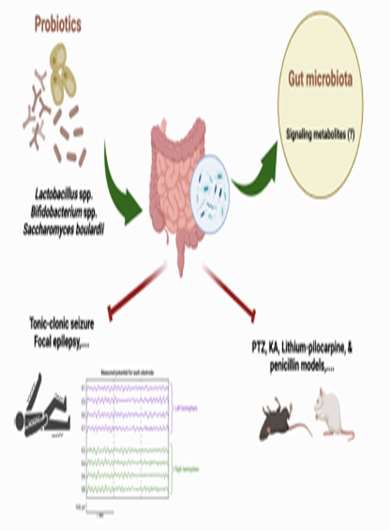
About one-third of epilepsies are resistant to antiepileptic drugs; thus, uncovering new pathways in the pathophysiology of epilepsy can reduce the global disease burden. Probiotics are live, non-pathogenic microorganisms that benefit the host by regulating the gut microbiome. This review aims to study the effect of probiotics and ketogenic diets on gut microbiota and their potential as a therapy for epilepsy. We conducted a systematic search of the databases PubMed, Scopus, Embase, and the Web of Science for pertinent studies that have been published. Our search methodology was meticulously structured to be exhaustive, integrating targeted keywords and Boolean operators to guarantee the acquisition of all potentially pertinent articles. Probiotics interact with the gut microbiome, balance its composition, and influence the gut-brain axis. Moreover, they reduce neuroinflammation and oxidative stress. The ketogenic diet (KD) affects gut bacteria, influencing neurotransmitter levels and short-chain fatty acids (SCFAs), which play a role in the gut-brain axis. Studies have shown the positive effects of various probiotics in animal models of epilepsy. They demonstrate improvements in seizure activity, anxiety, and neuroinflammation. In human studies, probiotics reduced seizure frequency and enhanced quality of life in patients with drug-resistant epilepsy. We believe using probiotics or dietary interventions like KD could be a promising therapeutic strategy for managing epilepsy. This could reduce seizure frequency and make life better for patients with epilepsy.